
Thinking about a GLP-1? Questions worth asking before the first prescription
A prescription is only one part of obesity care. Ask about eligibility, side effects, nutrition, follow-up and the cost of staying on treatment.
Editorial series date: March 6, 2026. Updated October 9, 2026; not a claim of earlier publication. AI-assisted education, not individually clinician-reviewed.
Think about the whole treatment plan
If you have heard friends describe success with a weekly injection, it is reasonable to be curious. It is equally reasonable to ask whether the treatment fits your health, your budget and your long-term goals. Prescription weight-management medicines work alongside eating and activity habits; they are not a replacement for follow-up. [1]
Am I an appropriate candidate?
NIDDK describes common adult prescribing thresholds as a BMI of 30 or more, or 27 or more with a weight-related health problem. These are starting points, not a prescription checklist. Your clinician must consider the specific medicine, its current label, medical history and other treatments. Lower BMI thresholds used in some diabetes-screening recommendations do not automatically change medication eligibility. [1]
Semaglutide and tirzepatide are different medicines. A product approved for diabetes is not automatically interchangeable with a product approved for chronic weight management. Do not copy someone else’s dose, combine products or switch without the prescriber’s instructions.
What should I disclose before starting?
Bring a current medicine and supplement list. Discuss pregnancy plans, breastfeeding, digestive conditions and relevant personal or family history. Some products have contraindications involving medullary thyroid cancer or multiple endocrine neoplasia type 2. Weight-loss medicines are not for use during pregnancy; planning for pregnancy needs specific medical advice. [1]
Ask what symptoms require a call, what to do if eating or drinking becomes difficult and how follow-up works. Persistent vomiting, severe abdominal pain, fainting or dehydration needs prompt assessment. A website cannot tell whether a symptom is an expected side effect or a serious problem.
How will I protect nutrition and strength?
Reduced appetite should not become an excuse to stop eating balanced meals. Talk about adequate nutrition, practical protein sources and activity appropriate to your health. If you are struggling to eat, feeling weak or losing function, tell the clinician rather than treating rapid weight loss as an automatic success.
Progress is personal. A realistic plan considers symptoms, function, metabolic health and treatment tolerability instead of promising the same weight change for everyone.
What happens if I stop?
NIDDK notes that weight regain is common after medication stops. Some people need long-term treatment. Discuss affordability, availability, follow-up and a plan for interruptions before you start. Do not assume a short course permanently changes the body’s weight regulation. [1]
What will I actually pay?
Separate the price of the consultation, follow-ups, tests and prescription. Coverage varies, and a low advertised starting price may not describe the ongoing cost. Our cash-pay page contains planning estimates, not a binding clinic quote or an included medication supply.
At Tejas Clinic, Frisco, Plano, Allen and McKinney patients can request an obesity-medicine consultation with Dr. Raman. The first goal is an informed decision, including the possibility that a different approach is the better fit.
Protect familiar meals when your appetite changes
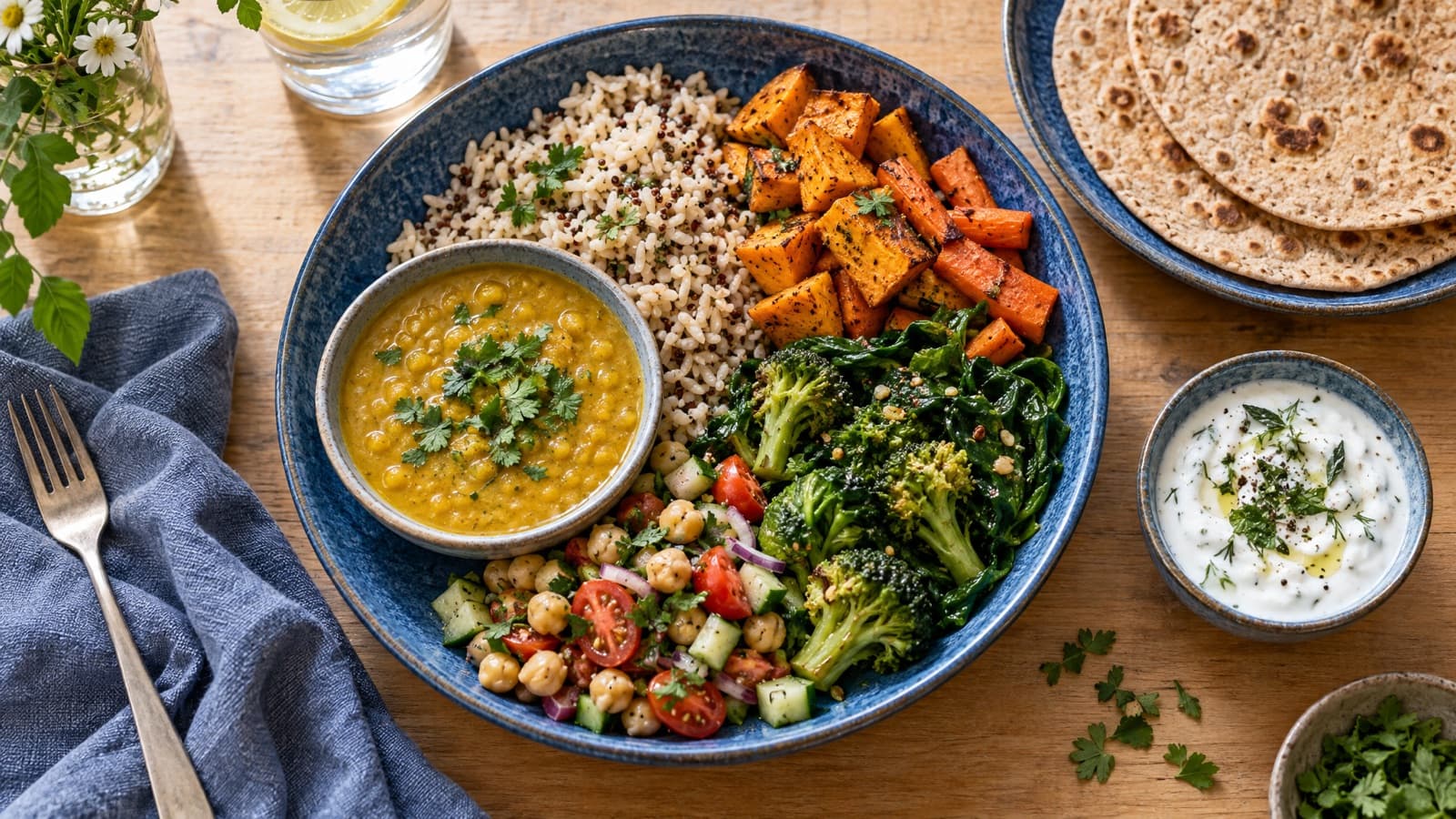
If a prescribed medicine makes a large meal difficult, tell your care team. Ask how to use smaller meals that still provide adequate nutrition: suitable portions of dal, yogurt, eggs, tofu or other protein foods can fit Indian and other Asian routines. The right amount depends on your health; kidney disease, pregnancy and other circumstances change the advice. Do not chase rapid weight loss by skipping nutrition.
Bring a realistic description of your vegetarian, Jain, halal or other food preferences, your cooking routine and your budget. Supplements are not automatically necessary. Discuss a personal protein target and practical food choices rather than copying a social-media grams-per-day goal. Persistent nausea, weakness or difficulty eating warrants follow-up.
Sources and editorial transparency
Editorial series date: 2026-03-06. Originally prepared October 6, 2026; updated October 9, 2026 with Asian/Indian-friendly practical guidance, food/protein context or local links. Original clinical content was not individually clinician-reviewed. Series dates organize this collection and do not claim earlier publication or evidence review. AI-assisted health education for Tejas Clinic; not individually clinician-reviewed or attributed to Dr. Raman. Linked sources describe the evidence and its limitations. This is not individualized medical advice. Illustrations are AI-generated and do not depict actual clinic patients or treatment outcomes.
This article is for educational purposes and does not replace individualized medical advice. Please discuss your personal situation with Dr. Raman at Tejas Clinic.