Caring for immigrant parents: a calmer first primary-care visit
Bring familiar foods, family priorities and overseas records into the conversation. A thoughtful visit starts with listening, not a one-size-fits-all test panel.
Editorial series date: September 6, 2026. Updated October 9, 2026; not a claim of earlier publication. AI-assisted education, not individually clinician-reviewed.
Begin with the person, not the paperwork
Moving to a new country—or spending several months with adult children—can make ordinary healthcare feel unfamiliar. A parent may know exactly which medicine they take at home but not its U.S. brand name. They may worry about costs, language or being rushed. A useful first visit makes room for those concerns before moving into tests and treatment.
At Tejas Clinic, immigrant parents are welcome at our clinic, serving Frisco, Plano, Allen and McKinney residents. Adult children can help arrange the visit, but the parent remains the person whose preferences and consent guide the conversation. Ask whether they want a family member present and how they prefer to discuss private concerns.
Bring the labels and the history
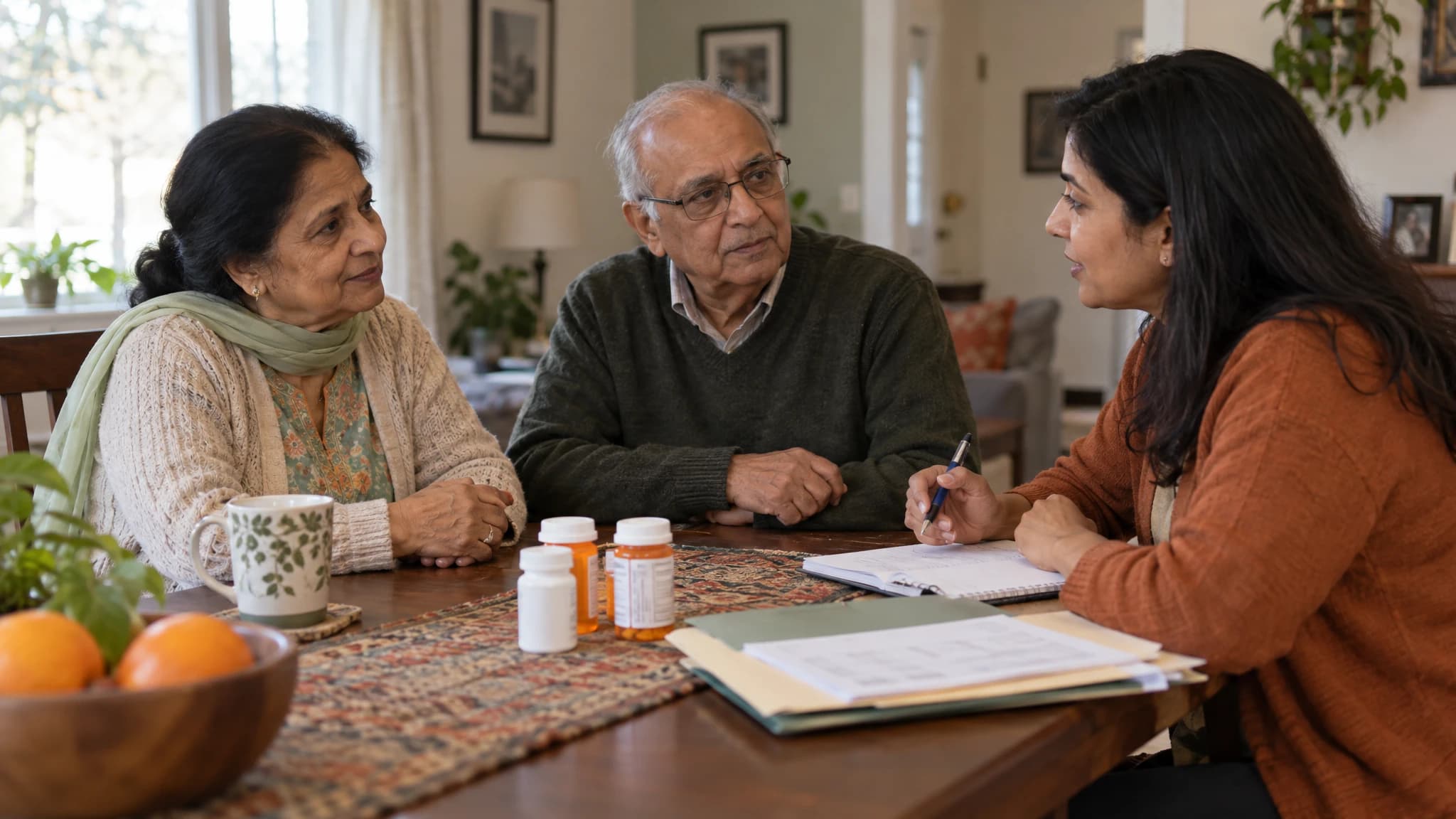
Bring original medication packaging or clear photographs showing names, strengths and instructions. Include supplements, traditional remedies and nonprescription products. Overseas brands can differ from U.S. names, and similarly named products are not necessarily interchangeable. Do not stop, double or replace a medicine because a local product looks familiar.
Recent laboratory results, discharge summaries, vaccination records and a list of allergies can help avoid duplication. If possible, bring translated summaries, while keeping the originals. Tell the clinician about any treatment interruptions during travel and whether refills are running low. A visit does not guarantee a prescription; safe prescribing requires enough information.
Screening is individual, not a stereotype
CDC guidance emphasizes medical history, medications, immunization records and individual risks when evaluating new arrivals. It also notes that much of the available post-arrival evidence comes from refugee populations. Those recommendations should not automatically be applied as an identical panel to every immigrant or visiting parent. [1]
Age, symptoms, country of origin, migration and travel history, prior treatment and exposures may affect which screening is useful. Blood pressure, diabetes risk and routine age-appropriate prevention matter too. A clinician can discuss which tests would change care and which can wait. Nationality alone is not a diagnosis, and more tests do not always make a visit safer.
Make language and family support part of the plan
Request language support when booking so staff can confirm what is available. Family members can help organize questions, but complex medical decisions may call for a qualified interpreter. Avoid asking a child to interpret sensitive or complicated medical information. Ask the clinician to explain the plan in plain language and invite the parent to describe it back in their own words.
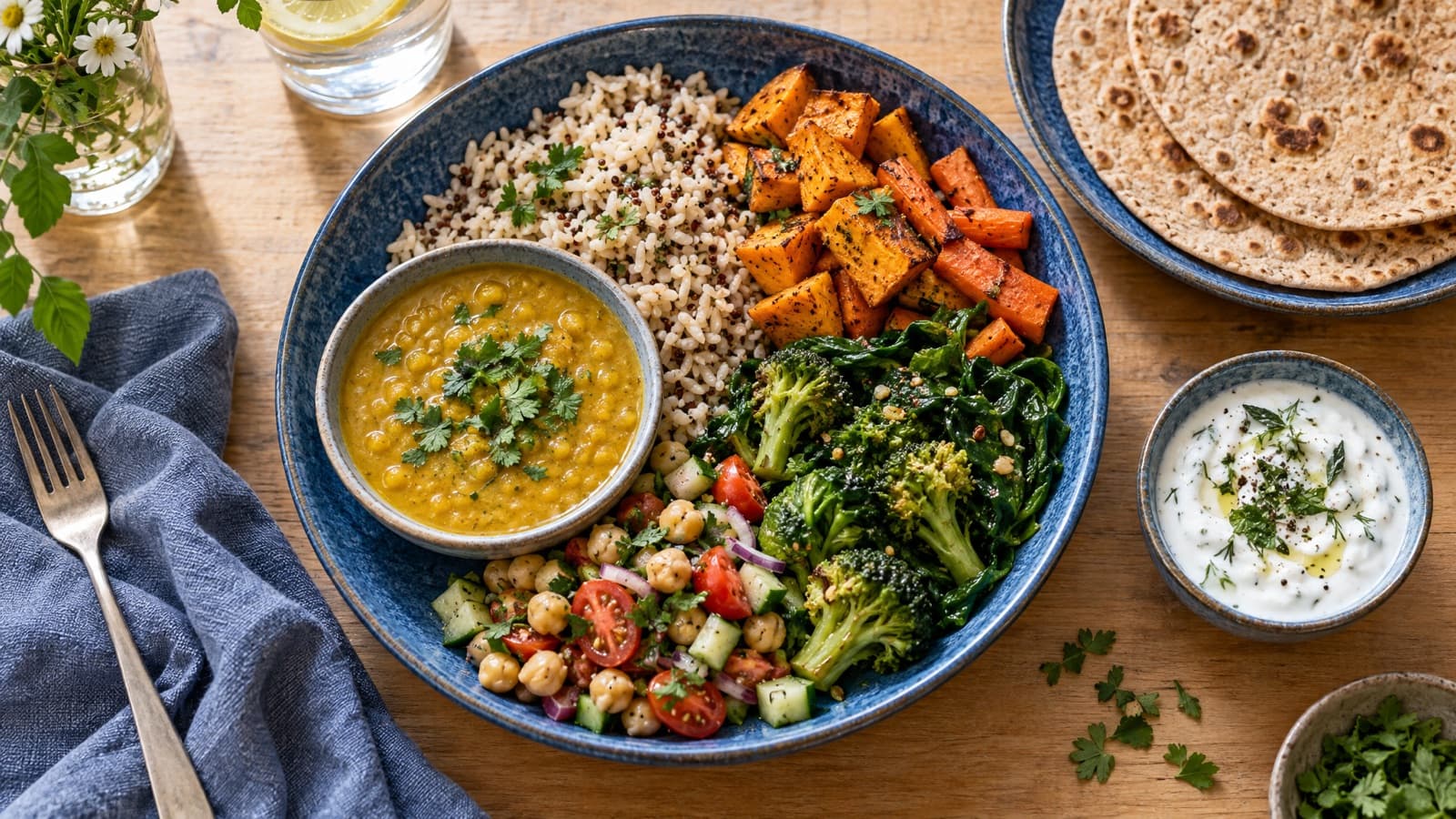
Food and religious practices deserve respect. Rice, roti, dal and other familiar meals can be discussed within an individualized nutrition plan rather than removed by default. Fasting, kidney disease, diabetes medicines and other factors can change what is safe; do not alter medicines without advice.
Agree on costs and the next step
Ask for a written explanation of visit fees, necessary tests, collection charges and follow-up. Tejas Clinic offers a $99 monthly membership with one visit per month and basic labs, plus a four-month option. Confirm the exact tests, testing frequency, visit coverage and terms before enrolling. Membership is not insurance and does not replace emergency, hospital or specialist coverage.
Text or call the clinic to arrange care at 12500 Lebanon Rd, Suite 102, Frisco, TX 75035. We welcome Frisco, Plano, Allen and McKinney residents at this address. This is primary care, not a USCIS immigration medical examination. For a suspected emergency, call 911 rather than waiting for a text reply.
A comfortable routine between visits
Ask your parent what a good day looks like: familiar food, a conversation in their preferred language, a short walk or time with grandchildren. A manageable outing can be better than a demanding fitness target. Use park information and map links to check surfaces, rest breaks and current access, and keep an indoor alternative for Texas heat.
Vegetarian meals are not automatically low in protein, and meat is not mandatory. Discuss dal, chana, yogurt or other foods the person actually enjoys, alongside a target suited to their health. Kidney disease, low appetite, dental difficulties or swallowing problems can change the plan. Do not impose a high-protein supplement or weight-loss diet on a parent without discussing their needs.
Sources and editorial transparency
Editorial series date: 2026-09-06. Originally prepared October 6, 2026; updated October 9, 2026 with Asian/Indian-friendly practical guidance, food/protein context or local links. Original clinical content was not individually clinician-reviewed. Series dates organize this collection and do not claim earlier publication or evidence review. AI-assisted health education for Tejas Clinic; not individually clinician-reviewed or attributed to Dr. Raman. Linked sources describe the evidence and its limitations. This is not individualized medical advice. Illustrations are AI-generated and do not depict actual clinic patients or treatment outcomes.
This article is for educational purposes and does not replace individualized medical advice. Please discuss your personal situation with Dr. Raman at Tejas Clinic.