Prediabetes and familiar foods: building a plan without giving up your culture
Rice, roti and family celebrations can fit into a thoughtful prevention plan. Focus on practical patterns, appropriate screening and steady support.
Editorial series date: July 6, 2026. Updated October 9, 2026; not a claim of earlier publication. AI-assisted education, not individually clinician-reviewed.
A lab result is information, not a judgment
Hearing “prediabetes” can feel alarming. It means glucose is above the usual range but not in the diabetes range. The next step is to understand your result, medical history and a practical follow-up plan—not to blame yourself or adopt an extreme diet.
NIDDK describes healthy food choices, physical activity and weight management when appropriate as ways to lower the risk of developing type 2 diabetes. Risk reduction is worthwhile even though no plan guarantees prevention. [1]
Work with the meals you already eat
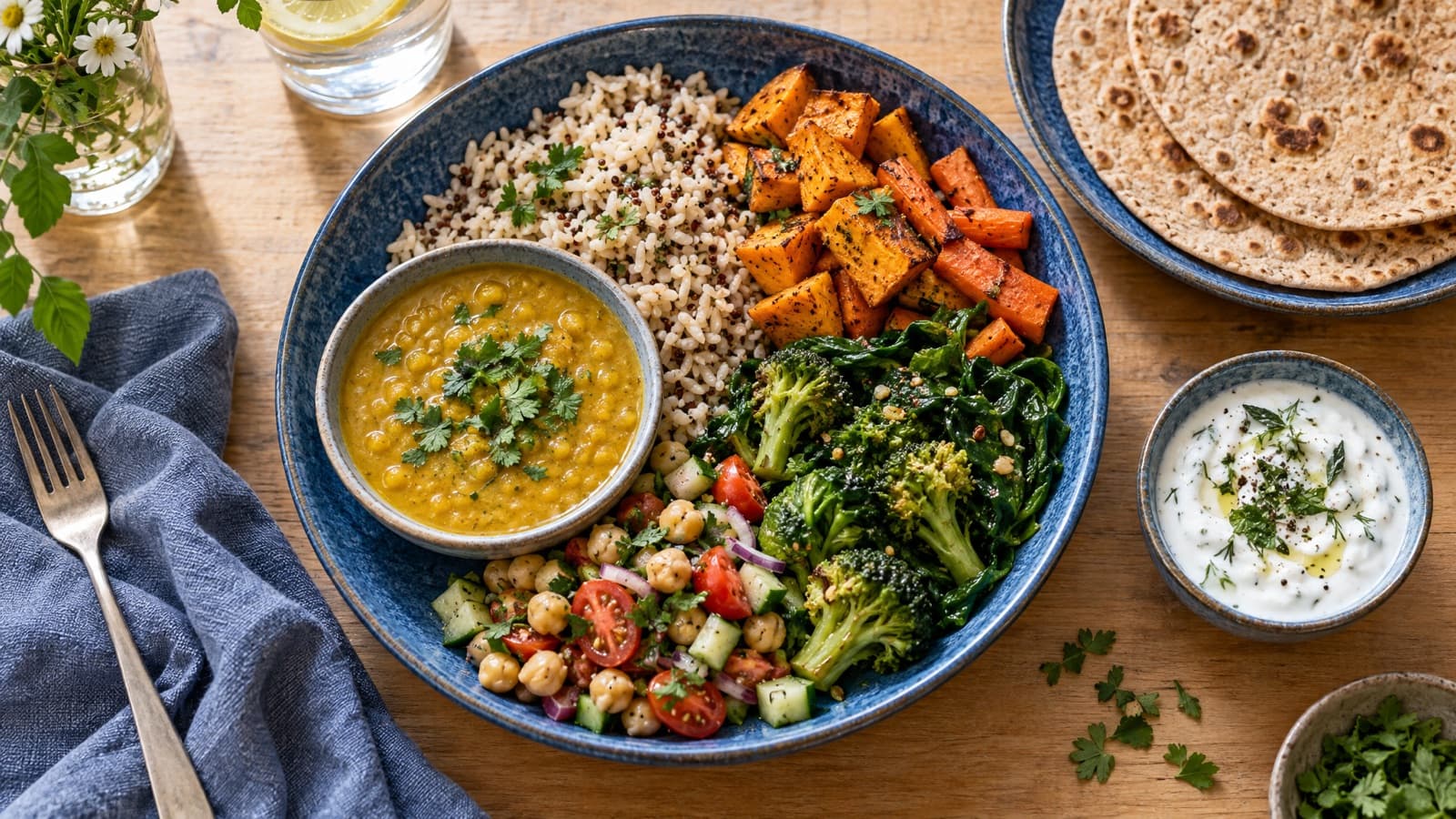
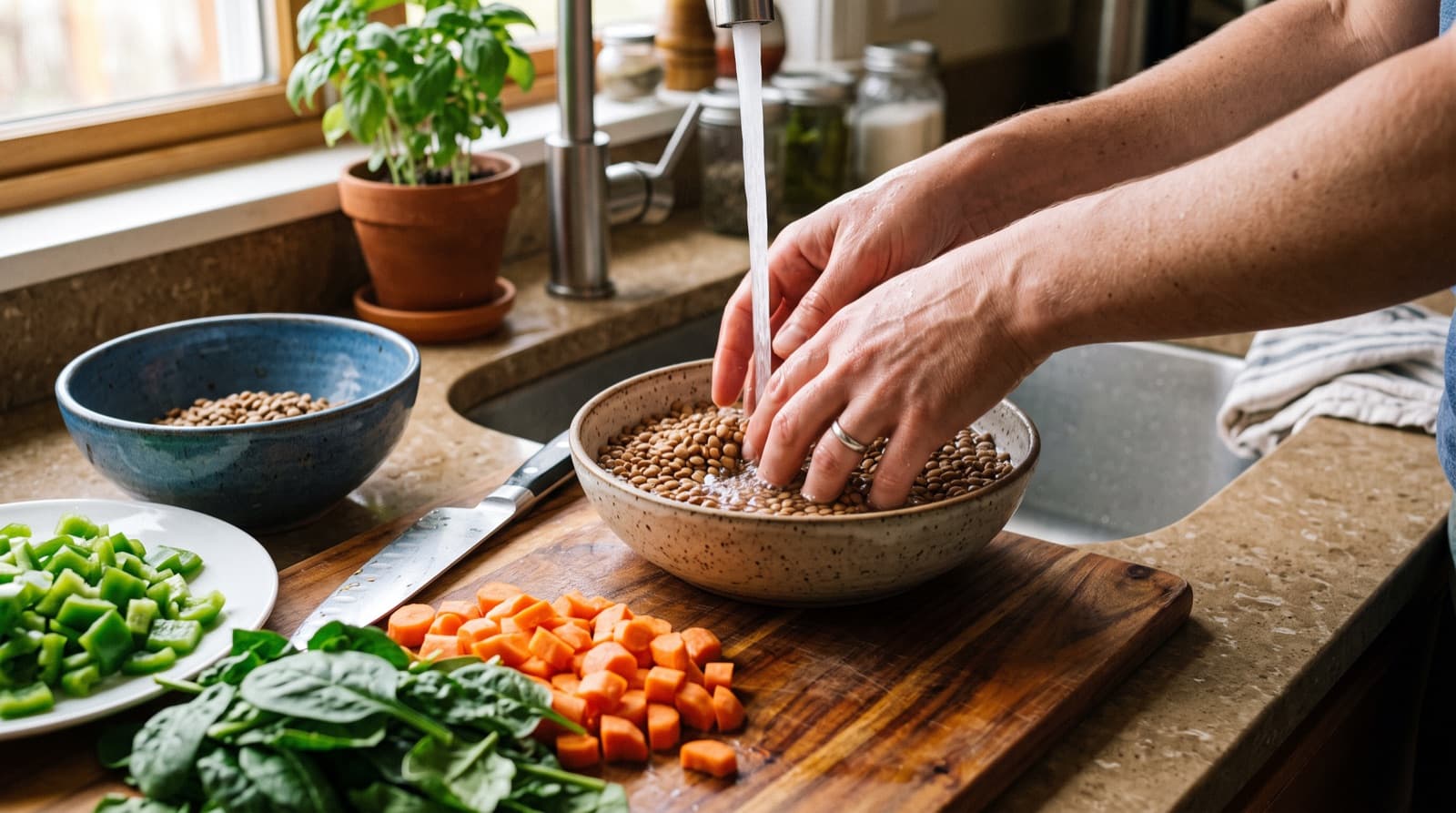
For many South Asian households, rice, roti, dal and shared meals are part of identity and routine. You do not need to replace them with unfamiliar “diet food.” Start by discussing portions and combinations: fiber-rich vegetables, a suitable protein source and carbohydrate portions that fit your needs.
Whole fruit and a sweetened drink are not nutritionally identical. Lentils provide more than carbohydrate alone. A food’s role in the overall pattern matters more than labeling it good or bad. Individual needs differ, especially with kidney disease, pregnancy or medicines that can cause low blood sugar.
Look at the daily pattern
Long gaps between meals, sugary drinks and eating while distracted can be useful places to begin. If religious fasting is part of your life, discuss it before changing meal or medication timing. A clinician can help you make a safer plan that respects your values.
Movement does not have to begin in a gym. Find an activity you can do consistently and build from there. If you spend much of the day sitting, opportunities to move between tasks may be a practical starting point. [1,2]
Screening should reflect the person
Family history, age, prior gestational diabetes and other factors affect screening decisions. Some Asian populations develop metabolic risk at lower body weights. That is a reason to assess individual risk, not a reason to assume that every South Asian adult has the same health profile.
Our prediabetes screening tool explains its published scoring rules and limitations. A score is not a diagnosis. Symptoms or medical history may justify testing even if the score is low.
Bring useful questions to follow-up
Ask what the result means, when testing should be repeated and which change would matter most now. Ask whether any medication is appropriate for your circumstances, rather than assuming that lifestyle changes and medicines are competing choices. Avoid stopping prescribed care in favor of an unproven remedy.
Tejas Clinic offers diabetes and preventive care with Dr. Raman for Frisco, Plano, Allen and McKinney patients. Bring recent results and a realistic description of meals, work hours and activity. A plan that fits your household is more useful than one that only looks good on paper.
Build a familiar meal, not a list of forbidden foods
A practical Indian meal might include a lentil or bean dish, vegetables and rice or roti portions matched to your needs. Dal and rajma provide protein and fiber but also carbohydrate; a bowl’s thickness and size matter. Plain yogurt can add protein if you eat dairy. Idli or dosa can remain part of breakfast—think about the accompaniment and the whole meal rather than assuming the dish alone is a high-protein option.
East and Southeast Asian preferences may include tofu, tempeh, edamame, fish, chicken or eggs with vegetables and rice or noodles. These cuisines are distinct from South Asian traditions. Soy sauce, broths, pickles and restaurant gravies can contribute sodium; ask about preparation. Paneer and creamy curries can contribute saturated fat. Neither “vegetarian” nor “traditional” automatically means a meal fits every medical condition.
How much protein should I aim for?
A general adult RDA is 0.8 grams per kilogram per day. For illustration, 70 kg × 0.8 = 56 grams/day. That arithmetic is not your personal target or a maximum. Aging, exercise, pregnancy, illness and weight-loss treatment may change needs. Kidney disease is particularly important: some people need moderated intake, while dialysis may increase requirements. Ask a doctor or registered dietitian for the target and food portions appropriate to you.
Check the serving size and protein grams on labels. Do not assume every yogurt, paneer product or restaurant dal contains the same amount. Protein powder is not compulsory, and protein alone does not cover iron, B12, calcium, fiber or overall nutrition. Vegetarian and vegan plans can work with appropriate variety and planning.
Eating out around Frisco and Plano
At any restaurant, ask about a suitable protein, vegetables, portions, sauces and preparation. Confirm allergens and dietary requirements directly with the kitchen; menu labels do not establish medical suitability. Our practical eating-out guide focuses on questions you can use anywhere, not restaurant promotions or rankings.
Make room for celebrations and fasting
A plan can include family celebrations without shame. Notice portions, drinks and how often foods appear rather than labeling an entire cuisine unhealthy. Discuss Ramadan or other religious fasting before changing diabetes medication or meal timing; pregnancy, illness and medicines can change what is safe. If a plan cannot work in your household, tell your clinician so it can be adapted.
Sources and editorial transparency
Editorial series date: 2026-07-06. Originally prepared October 6, 2026; updated October 9, 2026 with Asian/Indian-friendly practical guidance, food/protein context or local links. Original clinical content was not individually clinician-reviewed. Series dates organize this collection and do not claim earlier publication or evidence review. AI-assisted health education for Tejas Clinic; not individually clinician-reviewed or attributed to Dr. Raman. Linked sources describe the evidence and its limitations. This is not individualized medical advice. Illustrations are AI-generated and do not depict actual clinic patients or treatment outcomes.
This article is for educational purposes and does not replace individualized medical advice. Please discuss your personal situation with Dr. Raman at Tejas Clinic.