“He was only in his 40s”: a Desi family’s questions about sudden death and heart health
A clearly fictional story opens a real prevention conversation: early heart disease, family history, metabolic risk and why looking fit is not the same as knowing your risk.
Editorial series date: October 7, 2026. Updated October 9, 2026; not a claim of earlier publication. AI-assisted education, not individually clinician-reviewed.
A fictional story—not a Tejas patient or testimonial
The following vignette is fictional, written for education. It is not an actual patient history, a report of a local death, or evidence of a treatment outcome.
Imagine Arjun, a Desi father in his 40s who works long hours and plays occasional weekend cricket. After he dies unexpectedly, friends repeat, “But he looked healthy.” His family wonders whether his father’s early heart disease, an old cholesterol result or a postponed appointment mattered. They also wonder whether one test could have guaranteed that this would not happen.
The honest answer is that an imagined story cannot establish a cause—and neither can a social-media account of a real death. Sudden death has different causes. Even careful prevention cannot eliminate all risk. The useful response is not blame or panic; it is to understand family history, recognize emergencies and make prevention more personal.
Heart attack and cardiac arrest are not interchangeable
A heart attack generally involves blocked blood flow to heart muscle. Cardiac arrest means the heart unexpectedly stops pumping effectively, often because of a dangerous rhythm. One can lead to the other, but they are not the same event. Coronary disease, structural heart problems and inherited rhythm conditions can contribute to arrest; a cause cannot be assigned from age or ethnicity alone. [2]
If someone collapses, is unresponsive and is not breathing normally or is only gasping, call 911 immediately. Start CPR, follow the dispatcher’s instructions and use an AED as soon as available, following its prompts. Do not wait to complete a questionnaire or contact a clinic. Learning CPR and where to find an AED is a practical community action. [2]
Why South Asian ancestry belongs in the conversation
“Desi” is a cultural term used by many people with South Asian roots; it is not a diagnosis or a category that everyone uses for themselves. South Asian communities are diverse, including people with roots in India, Pakistan, Bangladesh, Sri Lanka, Nepal and neighboring countries. Findings about a population do not predict what will happen to one person.
ACC’s review describes a higher burden of premature atherosclerotic cardiovascular disease in South Asian populations and identifies South Asian ancestry as a risk-enhancing consideration in prevention discussions. Diabetes, central adiposity, blood pressure, lipids, family history and lifestyle can interact. These are not reasons to assume that every Desi adult is ill or that culture is the problem. [1]
A smaller waistline is not the whole story
Some Asian adults develop diabetes risk at lower BMI. The CDC-based prediabetes scoring method uses a lower BMI threshold of 23 for Asian adults in its weight component. That is a screening consideration, not a diagnosis, a treatment target for everyone, or automatic eligibility for weight-loss medication. [3]
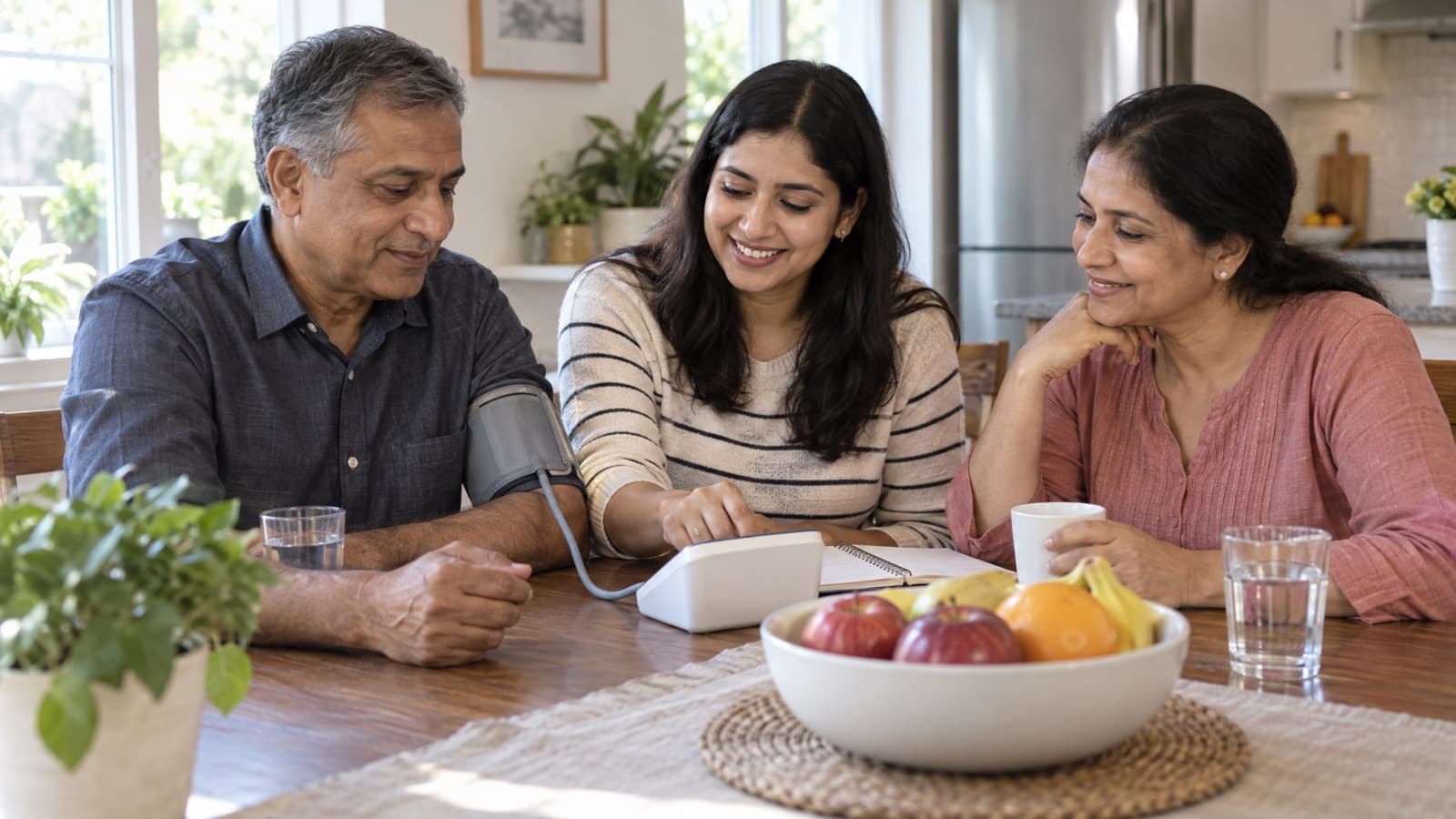
A clinician may review blood pressure, glucose or A1c when indicated, cholesterol, tobacco exposure, sleep and relevant family history. Tell them about premature heart disease, unexplained sudden deaths, fainting or known inherited conditions in relatives. The ages and circumstances matter; bring records when possible rather than relying only on “heart problem” as a label.
Ask what a test would change
Risk calculators are decision aids, not guarantees. Younger age can make a short-term estimate look reassuring even when longer-term risk deserves attention. Discuss the limitations of the model being used, including how ancestry and family history are considered. A score should not overrule concerning symptoms. [1]
Selected people may benefit from additional testing after clinical assessment, but a coronary calcium scan, stress test or broad laboratory panel is not automatically appropriate for every asymptomatic person in their 40s. A normal result does not make future events impossible. Ask what the test measures, what it misses, and how the result would change treatment.
Keep the culture; personalize the prevention
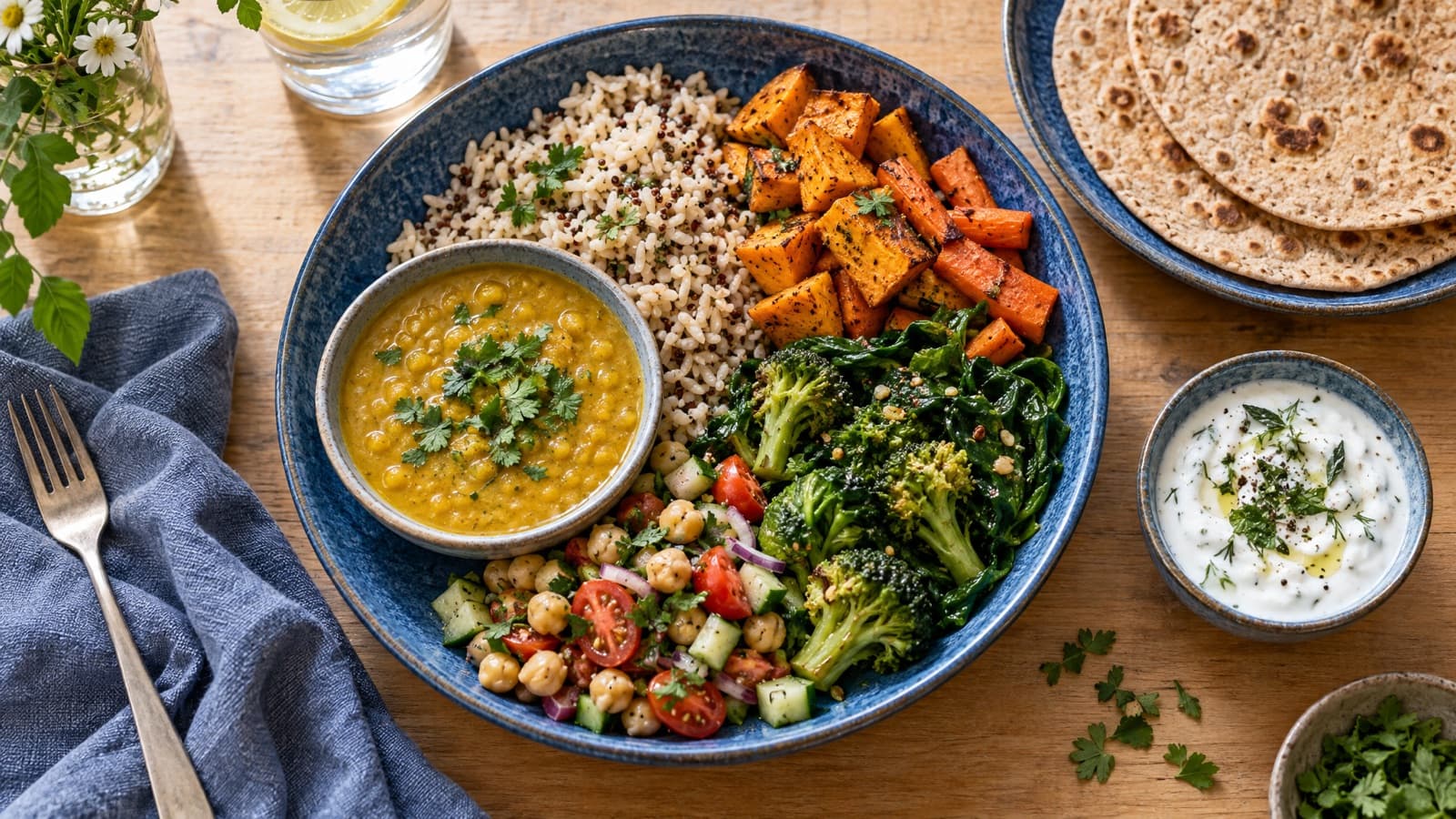
Discuss portions, fiber, protein, cooking fats, tobacco and everyday movement without treating rice, roti or a family celebration as a moral failure. Review sleep, work stress and access to follow-up as well. Do not start aspirin, supplements or cholesterol medicines solely because of a story or a website result; benefits and harms require individual assessment.
Our prediabetes questionnaire can organize metabolic risk factors. It is not a heart-attack or sudden-death predictor. Request primary care at Tejas Clinic to discuss prevention and whether specialist referral is needed. We welcome Frisco, Plano, Allen and McKinney residents at this address. New chest pressure, severe breathlessness, fainting or stroke symptoms require urgent evaluation—not a routine preventive visit.
Turn worry into a conversation—not a crash diet
Hearing a frightening story can lead to drastic food rules or a rush to buy tests. A more useful response is to discuss your own blood pressure, cholesterol, glucose, tobacco exposure, sleep and family history with a clinician. Indian and other South Asian identities are not diagnoses, and the fictional vignette above is not a prediction about you.
Keep familiar foods while improving the pattern where needed: suitable protein, vegetables, portions and preparation can be discussed together. Build activity gradually and bring new exertional symptoms to medical attention instead of pushing through them. Local activity and nutrition ideas offer a starting point, not cardiac clearance. Suspected emergency symptoms still require 911, regardless of your last screening score.
Sources and editorial transparency
Editorial series date: 2026-10-07. Originally prepared October 7, 2026; updated October 9, 2026 with Asian/Indian-friendly practical guidance, food/protein context or local links. Original clinical content was not individually clinician-reviewed. Series dates organize this collection and do not claim earlier publication or evidence review. AI-assisted health education for Tejas Clinic; not individually clinician-reviewed or attributed to Dr. Raman. Linked sources describe the evidence and its limitations. This is not individualized medical advice. Illustrations are AI-generated and do not depict actual clinic patients or treatment outcomes.
This article is for educational purposes and does not replace individualized medical advice. Please discuss your personal situation with Dr. Raman at Tejas Clinic.