South Asian health in North Texas: personalized, culturally informed care
Indian, Pakistani, Bangladeshi, Sri Lankan, Nepali and other South Asian families do not share one medical profile. Good prevention considers ancestry, lived experience and personal history without stereotypes.
Editorial series date: October 13, 2026. Updated October 13, 2026; not a claim of earlier publication. AI-assisted education, not individually clinician-reviewed.
Start by asking how a person describes themselves
“South Asian health” is not a diagnosis or a single way of living. The term can include people with roots in India, Pakistan, Bangladesh, Sri Lanka, Nepal and neighboring regions, but every family and individual has a distinct history, language, diet and experience. [1]
A useful medical visit asks about the person’s own background and preferences rather than assigning a diet, belief or risk level based on a name. Some families have lived in North Texas for generations; others are visiting or have recently moved. Neither situation establishes a diagnosis. Ask which language is most comfortable for health decisions and whether an interpreter is wanted.
Why specific evidence matters
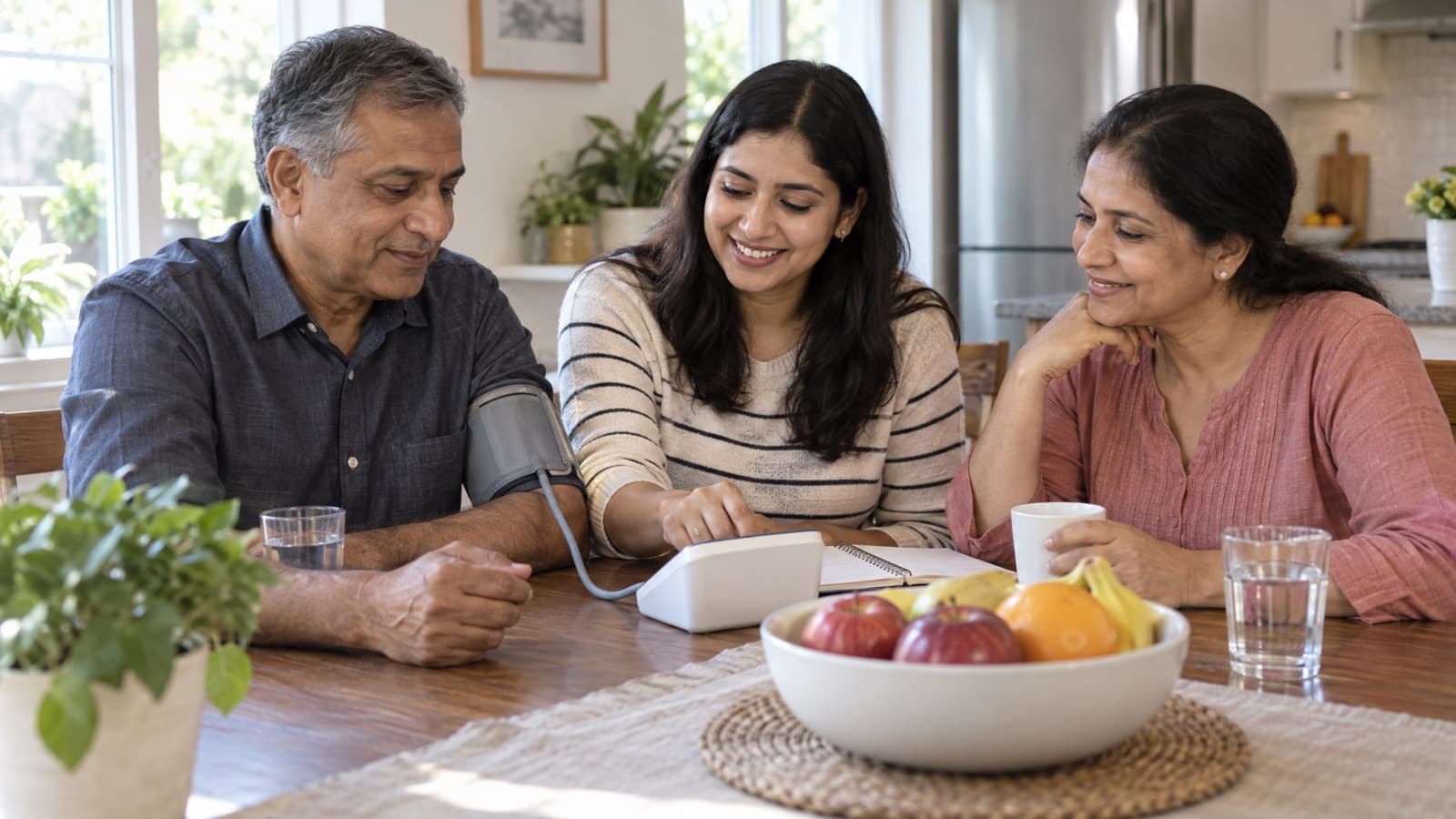
Research that combines all Asian Americans can hide meaningful differences. Cardiovascular and metabolic evidence points to an elevated burden of premature coronary disease in some South Asian populations, while language, access and social conditions also affect health outcomes. Population findings can inform questions, but they do not predict what will happen to one person. [1]
This is why a single “South Asian risk multiplier” is not a responsible substitute for clinical assessment. Ancestry is context; a person’s actual measurements, history, circumstances and goals remain central.
Metabolic health can deserve attention at lower BMI
The CDC prediabetes scoring resource includes a lower BMI threshold of 23 for Asian adults in its weight component. It recognizes that diabetes risk may be present at lower body weight, while still requiring blood testing for diagnosis. The threshold is not proof of diabetes and is not an instruction that every South Asian adult should lose weight. [2]
Tell your clinician about parents or siblings with diabetes, previous gestational diabetes, blood-pressure treatment and changes in activity. Bring prior laboratory results if available. Discuss what testing is indicated rather than assuming that a large hormone or vitamin panel answers every metabolic concern. Our metabolic-risk questionnaire is one way to prepare those questions without sending sensitive answers to the clinic.
Food conversations should be specific and respectful
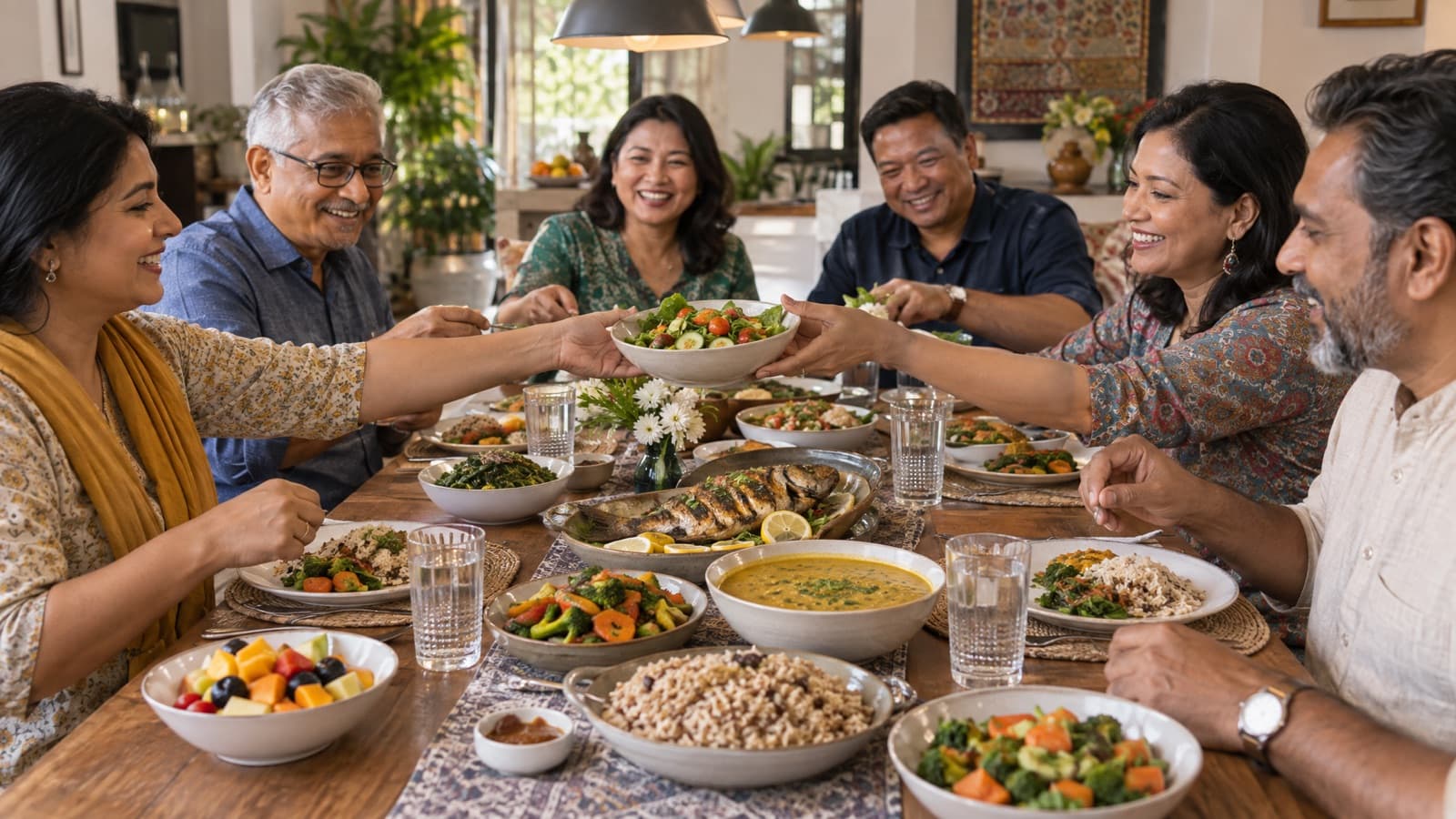
“Eat healthier” is not a plan if it ignores what a family buys, cooks and enjoys. A discussion might examine portions of rice or roti, the balance of vegetables and protein, cooking fats, sweetened drinks, or sodium in prepared foods. It should not assume that every South Asian person eats the same foods or follows the same traditions.
Keep familiar foods when possible and adapt the pattern to the person’s needs. Religious fasting, pregnancy, kidney disease, food allergies and medicines can change the advice. A restrictive diet may be inappropriate for someone with frailty, unintended weight loss or an eating disorder. Ask for help tailored to the actual situation rather than a culturally labelled diet sheet.
Make room for sleep, mood and practical barriers
Long work hours, shift schedules, caregiving and migration-related stress can affect routines. Those possibilities should be asked about, not presumed. Sleep apnea symptoms or ongoing insomnia deserve assessment; tiredness should not automatically be attributed to hormones. Persistent anxiety or low mood deserves the same respectful attention as blood pressure.
The PHQ-9 and GAD-7 are English-language symptom screens, not diagnoses or culturally validated assessments of every community. If the wording is unclear or English is not the patient’s preferred language, a clinician can arrange an appropriate validated translation and interpretation. Family support can help, but privacy and patient consent matter. For a mental health crisis in the U.S., call or text 988; call 911 for immediate danger.
Prevention that fits life in Frisco and Plano
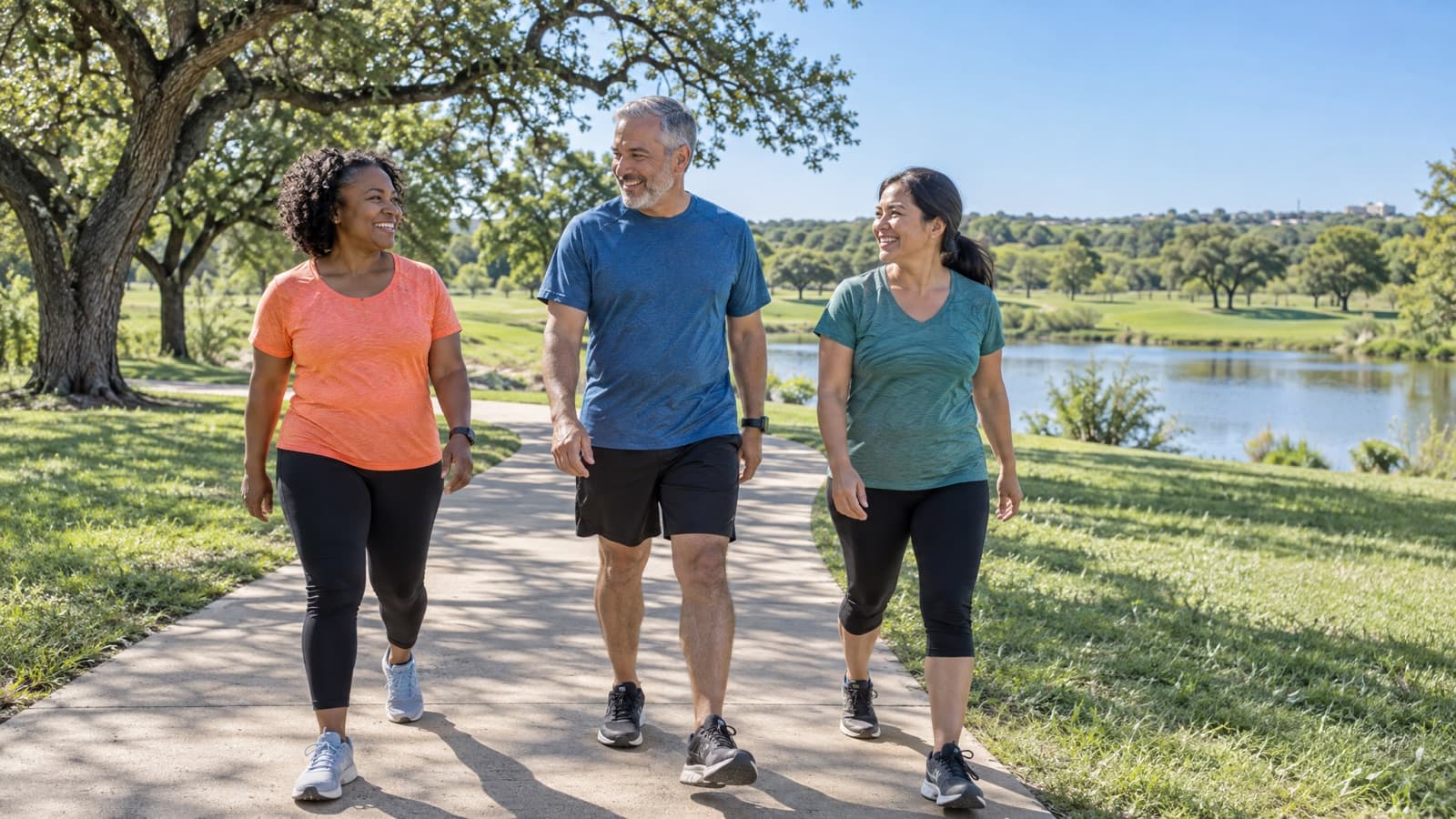
A short walk, an adapted strength routine or activity with friends can be a practical starting point. CDC guidance encourages a combination of aerobic and strengthening activity, adjusted to ability and medical needs. Regular movement is worthwhile even when the scale changes slowly. [3]
Bring medicines, supplements, overseas labels and previous results to a visit. Traditional remedies should be reviewed for ingredients and interactions rather than dismissed automatically—or assumed safe because they are familiar. Ask for a clear explanation of the plan, what needs follow-up and the expected costs.
Tejas Clinic welcomes families from Frisco, Plano, Allen and McKinney at one address: 12500 Lebanon Rd, Suite 102, Frisco, TX 75035. Request a primary-care conversation, ask about language support and confirm arrangements with staff. The goal is informed, culturally respectful care—not an “ethnic” screening package, a stereotype or a promise that any test removes all risk.
Ask “what do you usually eat?” before giving advice
An Indian vegetarian meal, a Pakistani family dinner, a Bangladeshi fish dish and a Sri Lankan rice plate are not interchangeable. Even within one country, language, religion, region, income and personal preferences shape food and health. Ask about the person’s routine rather than assigning a diet from their surname or appearance.
A useful conversation can include protein sources, sodium in sauces or preserved foods, sugary drinks, meal timing and portions without declaring a whole cuisine unhealthy. The Asian-friendly food guide offers adaptable examples, not ethnic rules. Likewise, men’s and women’s symptoms deserve privacy, listening and individualized assessment—not assumptions about what a community will or will not discuss.
Sources and editorial transparency
Editorial series date: 2026-10-13. Originally prepared October 13, 2026; sources checked October 13, 2026. Original clinical content was not individually clinician-reviewed. Series dates organize this collection and do not claim earlier publication or evidence review. AI-assisted health education for Tejas Clinic; not individually clinician-reviewed or attributed to Dr. Raman. Linked sources describe the evidence and its limitations. This is not individualized medical advice. Illustrations are AI-generated and do not depict actual clinic patients or treatment outcomes.
This article is for educational purposes and does not replace individualized medical advice. Please discuss your personal situation with Dr. Raman at Tejas Clinic.